
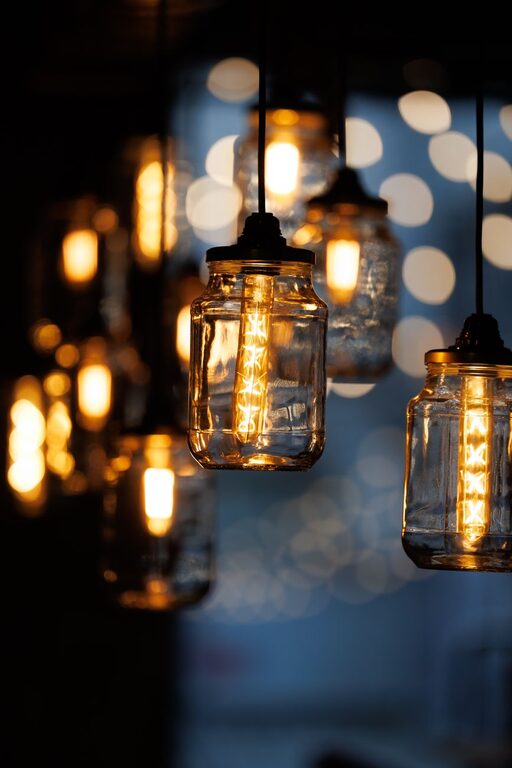
Creating a comfortable and inviting atmosphere in your home often starts with the right lighting. Whether you’re reading, cooking, relaxing, or working, lighting plays a crucial role in setting the mood and supporting your daily activities. Choosing comfortable home lighting means balancing brightness, color, placement, and style to suit your needs while enhancing your living space. This guide will walk you through practical tips to help you select lighting that feels just right.
Why Comfortable Lighting Matters
Comfortable lighting goes beyond just providing light; it reduces eye strain, improves mood, and complements your décor. Poor lighting can cause headaches, fatigue, or make a room feel unwelcoming. On the other hand, well-chosen lighting creates a warm, cozy, and functional environment.
Understand Different Types of Lighting
Before choosing fixtures and bulbs, it’s helpful to understand the three main types of lighting:
1. Ambient Lighting
Ambient lighting provides general, overall illumination for a room. It creates uniform brightness that allows you to navigate and use the space easily. Examples include ceiling-mounted fixtures, chandeliers, or LED downlights.
2. Task Lighting
Task lighting focuses on specific areas where activities like reading, cooking, or working take place. Desk lamps, under-cabinet kitchen lights, and vanity lights are examples. This type of lighting is usually brighter and more concentrated.
3. Accent Lighting
Accent lighting highlights architectural features, artwork, or decorative elements. It adds depth and visual interest to a room. Wall sconces, track lights, and LED strips often serve this purpose.
Balancing these three lighting types can help you achieve both functionality and ambiance.
Tips for Choosing Comfortable Lighting
1. Consider the Room’s Purpose
Different rooms require different lighting approaches:
– Living Room: Blend ambient lighting with task and accent lighting. Use lamps and dimmable overhead lights to adjust mood easily.
– Kitchen: Bright, shadow-free task lighting is essential. Combine overhead lights with under-cabinet fixtures.
– Bedroom: Soft, warm lighting is best to promote relaxation. Bedside lamps and dimmers help create a cozy atmosphere.
– Home Office: Choose bright, cool-toned task lighting to stay alert and productive.
2. Choose the Right Bulb Color Temperature
Color temperature is measured in Kelvins (K) and affects the feel of your lighting:
– Warm Light (2700K–3000K): Offers a cozy, relaxing glow, ideal for living rooms and bedrooms.
– Neutral Light (3500K–4100K): Provides a natural and balanced tone suited for kitchens and bathrooms.
– Cool Light (5000K–6500K): Mimics daylight, great for task areas like home offices.
Using bulbs with adjustable color temperature or mixing different temperatures in layers can provide versatility.
3. Select Appropriate Brightness
Brightness is measured in lumens, not watts.
– For general guidance, living rooms may need around 1,500 to 3,000 lumens total.
– Kitchens and work areas may require 4,000 to 8,000 lumens.
– Bedrooms can be comfortable with 1,000 to 2,000 lumens.
Using dimmers or multiple light sources allows you to adjust brightness to your comfort level.
4. Opt for Adjustable Fixtures
Lighting fixtures that allow you to direct light where you need it or dim the brightness are helpful for comfort and flexibility. Swing-arm lamps, recessed adjustable spotlights, and smart bulbs provide control over light placement and intensity.
5. Mind the Placement
Proper placement avoids glare and harsh shadows, which can cause discomfort.
– Position task lights close to work areas, but not directly in your eyes.
– Avoid placing ambient ceiling lights where they can create deep shadows.
– Use floor lamps and table lamps to add soft light at different heights.
6. Use Multiple Light Sources
Layering different types of lighting creates a more balanced and soothing environment. Combine ceiling fixtures with floor lamps, wall sconces, and accent lights. This approach lets you tailor lighting to your mood and task.
7. Consider Energy Efficiency
Comfortable lighting doesn’t have to mean high energy costs. LED bulbs use less power, last longer, and come in a variety of colors and brightness levels. Choosing energy-efficient bulbs is good for your wallet and the environment.
8. Choose Fixtures that Match Your Style
Lighting fixtures contribute to the overall vibe of your space. Whether you prefer modern, rustic, minimalistic, or classic designs, pick lighting that complements your décor and personal taste while supporting comfort.
Additional Tips for Specific Spaces
Living Room
– Use a combination of a central overhead fixture and table or floor lamps.
– Add dimmers to adjust brightness for movie nights or gatherings.
– Highlight artwork or shelves with accent lighting.
Kitchen
– Focus on bright, shadow-free task lighting at counters and sinks.
– Consider LED strip lights under cabinets.
– Use adjustable recessed lights for flexible coverage.
Bedroom
– Choose warm, soft light to help with winding down.
– Bedside lamps with adjustable brightness are great.
– Avoid harsh overhead lighting; instead, use diffused light sources.
Home Office
– Good task lighting is crucial to reduce eye strain.
– Choose bulbs with higher color temperature for alertness.
– Position desk lamps to avoid glare on screens.
Final Thoughts
Comfortable home lighting is a blend of function, style, and personal preference. Taking the time to think about how you use each room and layering different types of lighting can transform your space into a welcoming and practical home. Remember to select bulbs with the right brightness and color temperature, use adjustable fixtures, and keep energy efficiency in mind.
By following these tips, you can create a home lighting plan that supports your lifestyle and enhances your comfort every day.